UTS’s Building Genome Project hopes to quantify just what makes good design
Published
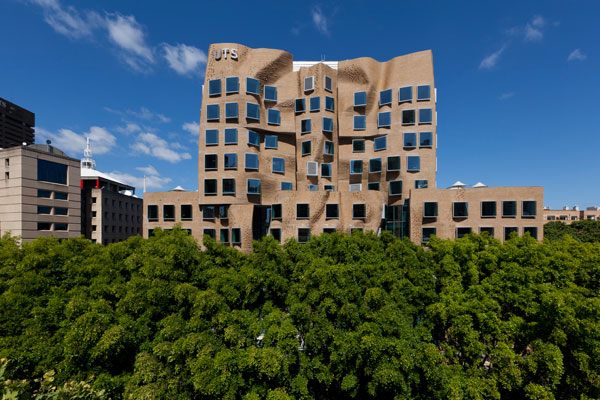
Good residential design has long been seen as a subjective quality, rather than a quantifiable one. The University of Technology Sydney aims to challenge this belief with the establishment of the Building Genome Project that examines the data present in building modelling software.
Ultimately aiming to receive insights so as to achieve further knowledge into architectural design performance and compliance to build better homes, the Building Genome Project is the brainchild of UTS’s Faculty of Design, Architecture and Building.
A team of four academics believes that today’s access to design and construction statistics and sophisticated modelling technology can help bridge the disconnect between the estimated $5.6 trillion value of the residential hosing sector with the serious lack of connection between property data and design and construction data.
Recent technological advances and research prompted the team to create an advanced comparative database, the Building Genome Project, capable of storing complex building and design data.
“Architects and developers have limited access to precedent design knowledge in a searchable format,” says team researcher, Dr Ben Coorey. “Similar design solutions are being applied over and over again without the ability to improve designs through benchmarking, big data and predictive analytics.”
Through the Building Genome Project, useful data has been revealed. Such as apartment attributes and configurations that contribute to the highest value of return, what type of apartment designs sold the fastest, and what appropriate apartment mixes work best, were not being factored into early stage design processes. This information could not be easily accessed in existing software programs.
The Building Genome Project also allows new housing designs to be checked automatically against various planning regulations to assess the compliance and quality of a design.
“The system is able to generate a user-friendly report, outlining areas of compliance and non-compliance to help builders make better informed decisions during all aspects of the building lifecycle,” says Associate Professor Julie Jupp from the UTS School of the Built Environment. “This research will improve design processes whilst also boosting the quality of residential design overall.”
University of Technology Sydney
uts.edu.au
Related Articles

Events
It’s time for debate and discussion at Saturday Indesign
Saturday Indesign might be revitalised and full of surprises in 2026, but the ever-popular Design Discussion series is back for more thought-provoking panels. Find out who’s discussing what in Sydney on 12th September.
Events
A rollicking good story with Richards Stanisich and Royal Oak Floors
Jonathan Richards and Kirsten Stanisich discussed practice, design process and the business of running a studio at a live audience event hosted by Royal Oak Floors in Sydney.
Events
Indesign x Wilkhahn: Melbourne, where are you working?
Our latest collaboration saw a range of designers come together at Wilkhahn’s Melbourne showroom for a discussion on the workplace dynamics specific to the Victorian capital.

Events
“A journey into a whole new material world”: Plant Life at the NGV
Curator Ewan McEoin tells us about the NGV’s new exhibition on plant-based materials as alternatives to plastics, synthetic materials and other non-renewable resources.