Behind the Greenwash
Published
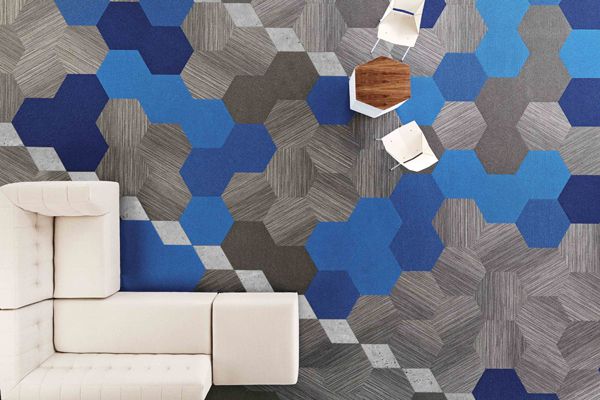
With sustainability becoming a powerful incentive for consumers, it is at risk of being hijacked for commercial gain. Good Environmental Choice Australia exposes the marketing speak, and offers advice on how to ensure a product is truly sustainable.
We’ve all seen products claiming to be ‘all natural’ lining supermarket shelves. But we’re not fooled. We’re getting better at recognising ‘greenwash’, where manufacturers make claims about a product’s environmental and/or health attributes with dubious authenticity.
But what about architectural and interior design products? Cutting through the greenwash in these industries can be a bit trickier to navigate.
Natural tile and stone, for example, are perceived as being fairly eco-friendly thanks to their origins. But environmentally, they can cause a lot of damage, requiring vast amounts of energy to source the raw materials, with all the various impacts of mining and quarrying to consider as well.
It’s a similar story for products made from wood. It’s important to make sure timber hasn’t been sourced from environmentally-damaging practices; FSC or PEFC certification is one method of ensuring this.
Take care also when choosing carpet made from wool fibres. Although natural wool fibre has many benefits over synthetic alternatives, including natural stain-resistant properties and biodegradability, it may be treated with solvents and detergents during processing to remove greasy material, which can contribute to pollution of waterways if not properly treated. In addition, it may be treated with fungicides and insecticides that are often synthetic chemicals harmful to human health.

Of course, there are plenty of products on the market that are made from these materials and are perfectly fine, addressing all the issues stated above. The challenge is finding out which products make the cut, and which products are hiding behind clever, and deceptive, marketing.
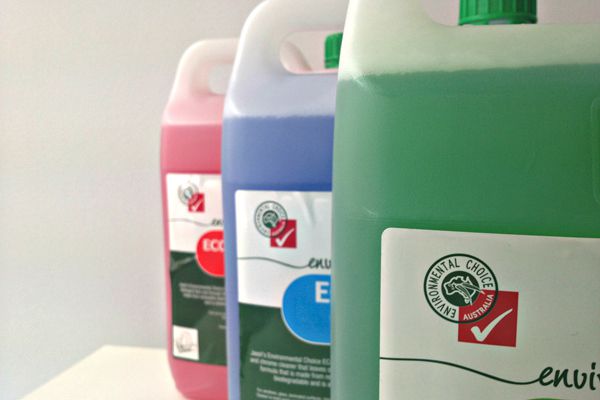
The easiest way to know for sure whether a product’s green claims are genuine is to look for evidence of third-party certification. The scheme run by Good Environmental Choice Australia (GECA), for example, demonstrates that any environmental or health claims made about a product are true. It also means the product has gone through a robust auditing process to make sure it meets all the environmental, health and social impact criteria of the relevant GECA standard.
In addition to providing credibility to claims, ecolabels also communicate to the purchaser that the certified products meet superior environmental, health and social performance standards when compared to others in the same product category in the market. This means they are a step above Environmental Product Declarations (EPDs) that many are becoming aware of in the industry. EPDs simply report on the environmental performance of a product (which could be anything ranging from bad to excellent) and leave the complex process of comparisons and decision making to purchasers. EPDs are also limited to environmental aspects and do not cover social or ethical concerns.
Employing sustainable products is socially and environmentally responsible, and can provide long-term cost and health benefits. But as with every important decision, it is worth making sure that the time and money invested pay off, and certification models such as GECA provide reliable assurance that your chosen product isn’t just green on the outside.
GECA
geca.org.au
Related Articles
Articles
Creating synergies of form, hue and space
When considered from the perspective of the human experience, a chair is not merely an object. It is a human vantage point within a space, it is the focal point for energies and activities, and it is a visual anchor that guides activities and emotions.
Articles
Injecting identity into adaptable workplaces: the brand harnessing the visual treasure trove of cross-sector design culture
The magnetic pull of certain spaces comes down to how seamlessly they work and, more importantly, how they feel. Recognising this, Kettal Workplace draws on the uplifting codes of other sectors to deliver contemporary workplace design.
Articles
What Nikari reveals about Finnish design and its love of wood
KFive Furniture and Finnish design brand, Nikari, invite us into a world of Finnish folklore and exquisite woodworking traditions. As we step through this moody, magical forest of culture and contemporary design, we discover what makes Finnish design distinct from its Scandinavian counterparts.
Articles
The brand spotlighting furnishings crafted with purpose and the skilled design minds behind them
A wander around a BACHLI showroom reveals a tapestry of captivating furniture designs, curated precisely and craft-led. Thanks to its longstanding partnerships with iconic designers, BACHLI has become a go-to for discovering the most exciting established and emerging Australian and international brands. Initially based in Melbourne, BACHLI have recently expanded into Sydney with their Surry Hills showroom, increasing their presence and opening their invitation to the design-savvy and curious nationwide.