Ahrend Revolt Chair
Published
By
jesse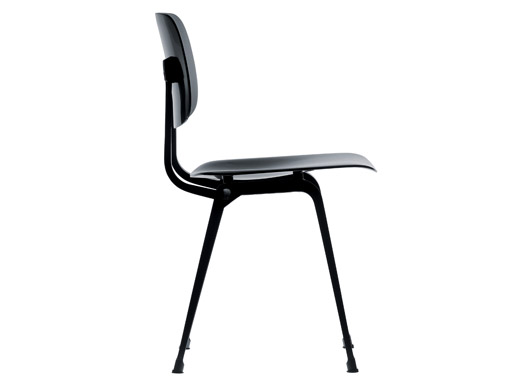
More than just an icon, the ’Revolt’ chair, created in 1953 by Friso Kramer for Ahrend, was considered revolutionary
The classic Revolt chair has been selected by TNT Post as one of ten ’style icons’ representing typically Dutch products, to be included on the series of stamps ’Tien voor Nederland 2007’ (Ten for the Netherlands 2007).
More than just an icon, the chair, created in 1953 by Friso Kramer for Ahrend, was considered revolutionary, bypassing the traditional tubular frame for a bent sheet steel frame. The name ’Revolt’ actually came from this idea of revolution, a revolution in the design and materials selected, and Ahrend has not looked back since.
Used in schools, offi ces, company restaurants and the private sector for decades, Revolt has won many awards and been included in several museum collections. A testament to its longevity and relevance, it recently won fi rst prize for Best Home Interior Decoration Product at the Woonbeurs home decoration fair in 2005, over half a century after its creation. The fact that it has been selected to represent the Netherlands in this year’s TNT Post stamp issue cements its place in the Dutch design consciousness, and ’is a great compliment to Friso Kramer and Ahrend,’ says Marketing and Communications Manager of Royal Ahrend, Mark Klijs.
Noted as ’Unmistakably Dutch’ by Product Manager of TNT Post, Jeroen Siegerink, traditional characteristics including individual expression, effi ciency, and functionality come together in RevoltÕs design. Another factor in its inclusion in the Tien voor Nederland 2007 stamp series is its slimline silhouette, which sits effortlessly in the 2D format of a stamp.
TNT PostÕs stamp series traditionally uses typically Dutch images and this year chose to focus on the ’Dutch Icons’, a selection of products by Dutch designers. Along with the ’Revolt’ chair are products such as the Heineken Longneck, the bottle lamp, the Unox smoked sausage, the ’Glide’ glass, the cargo bicycle, the Hema whistling kettle, the Dutch tulip and the ’Bugaboo’ pram.
Ahrend boasts a long tradition of developing and producing furniture for Dutch interiors, characterised by a passion for design, functionality, ease of use and durability. The ’Revolt’ chair is a particular example of this, featuring in various Ahrend collections including the Ahrend at home collection, and can also be admired in the Dutch Design Centre in Utrecht where Ahrend has a permanent exhibition.
It seems the Revolt revolution is here to stay.
Related Articles
Events
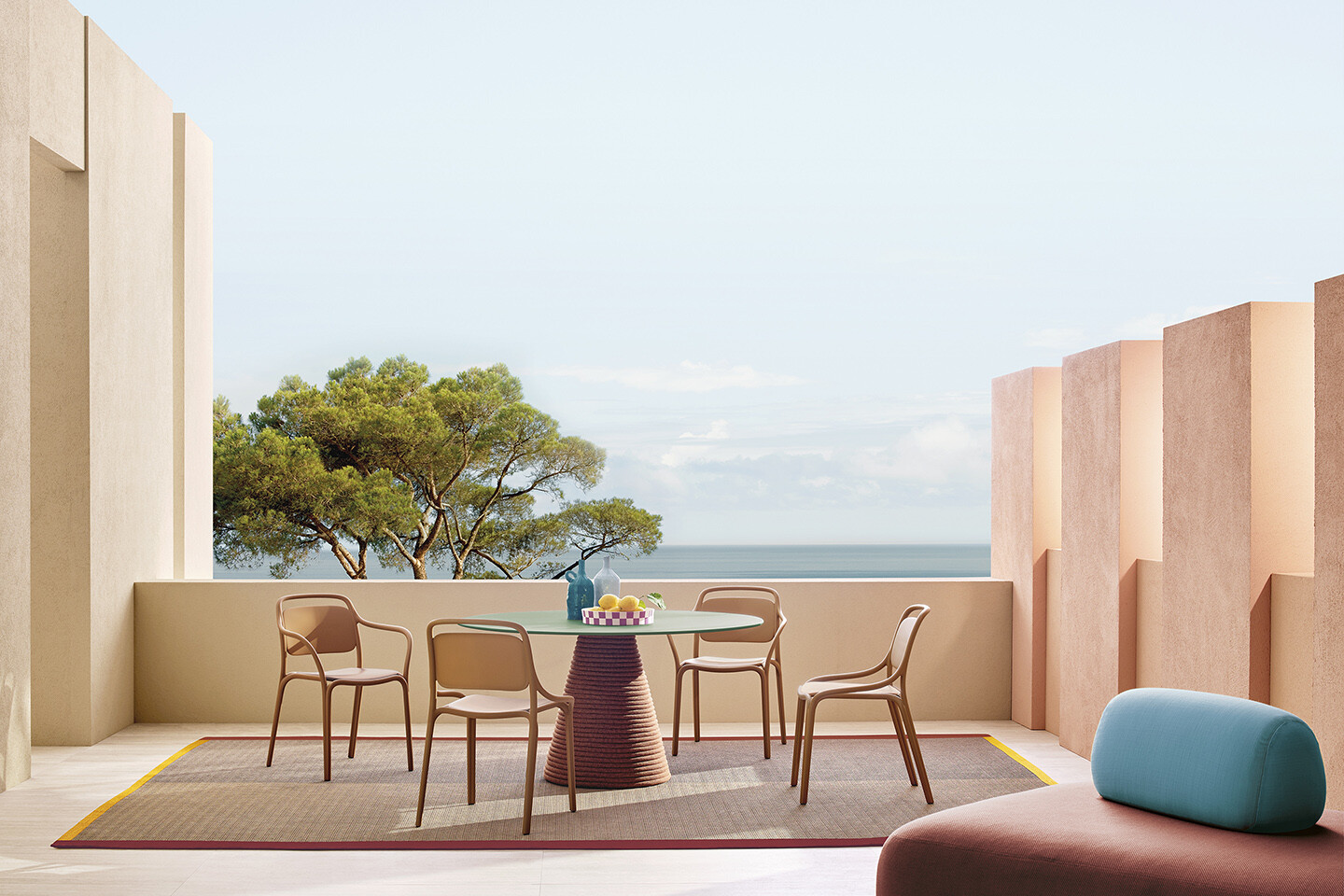
“I’m not trying to design a shape, I’m trying to shape a feeling”: Eugeni Quitllet & Pedrali in Milan
At Salone del Mobile 2026, Catalan designer Eugeni Quitllet launched Libre, a new seating collection with Pedrali that focuses on form, function and ergonomics.
Articles
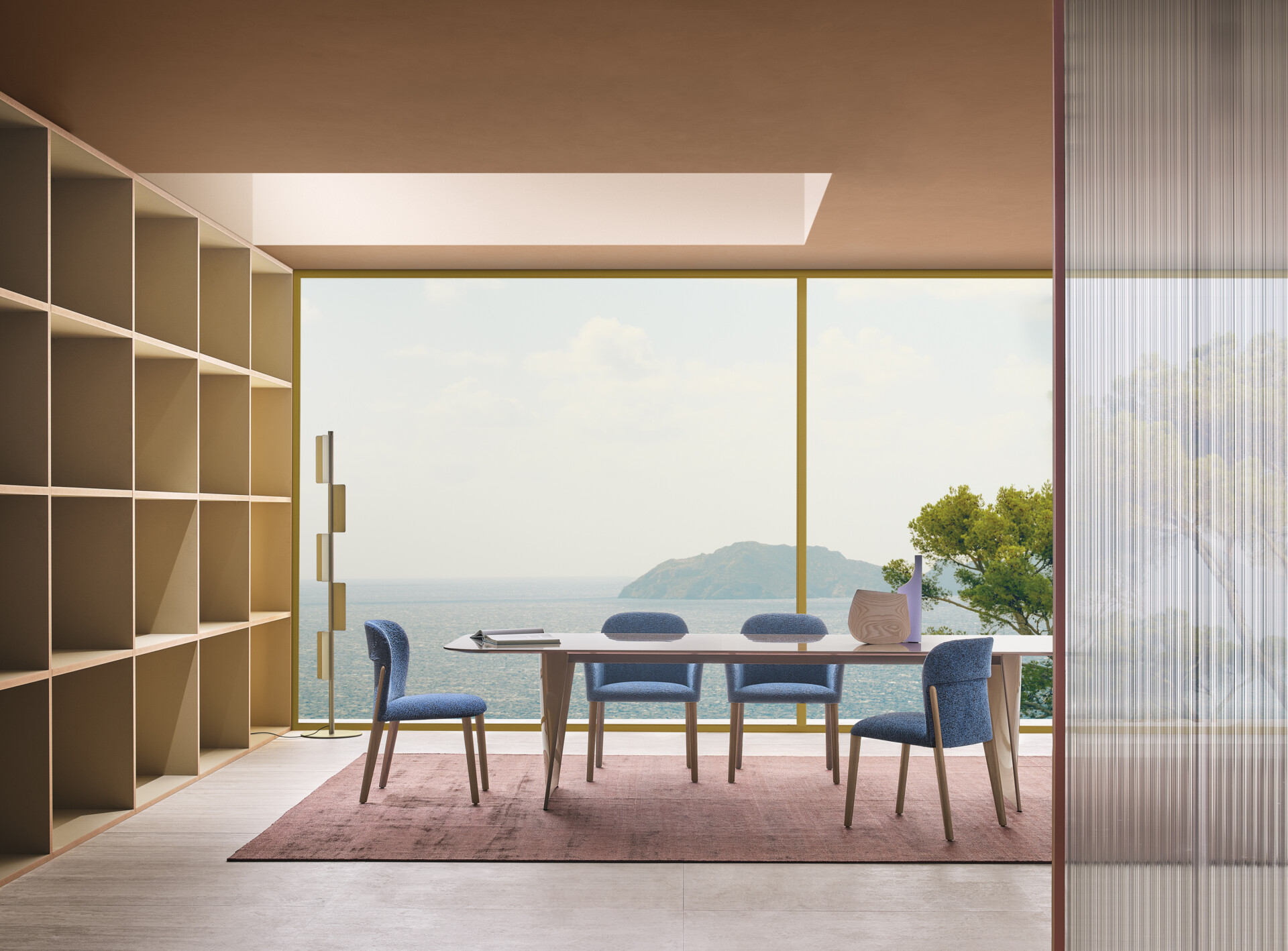
Embracing elegance
On the occasion of Salone del Mobile 2026, the Opale collection designed by Patrick Jouin for Pedrali expands with two new iterations: a chair and a barstool with armrests.
Articles
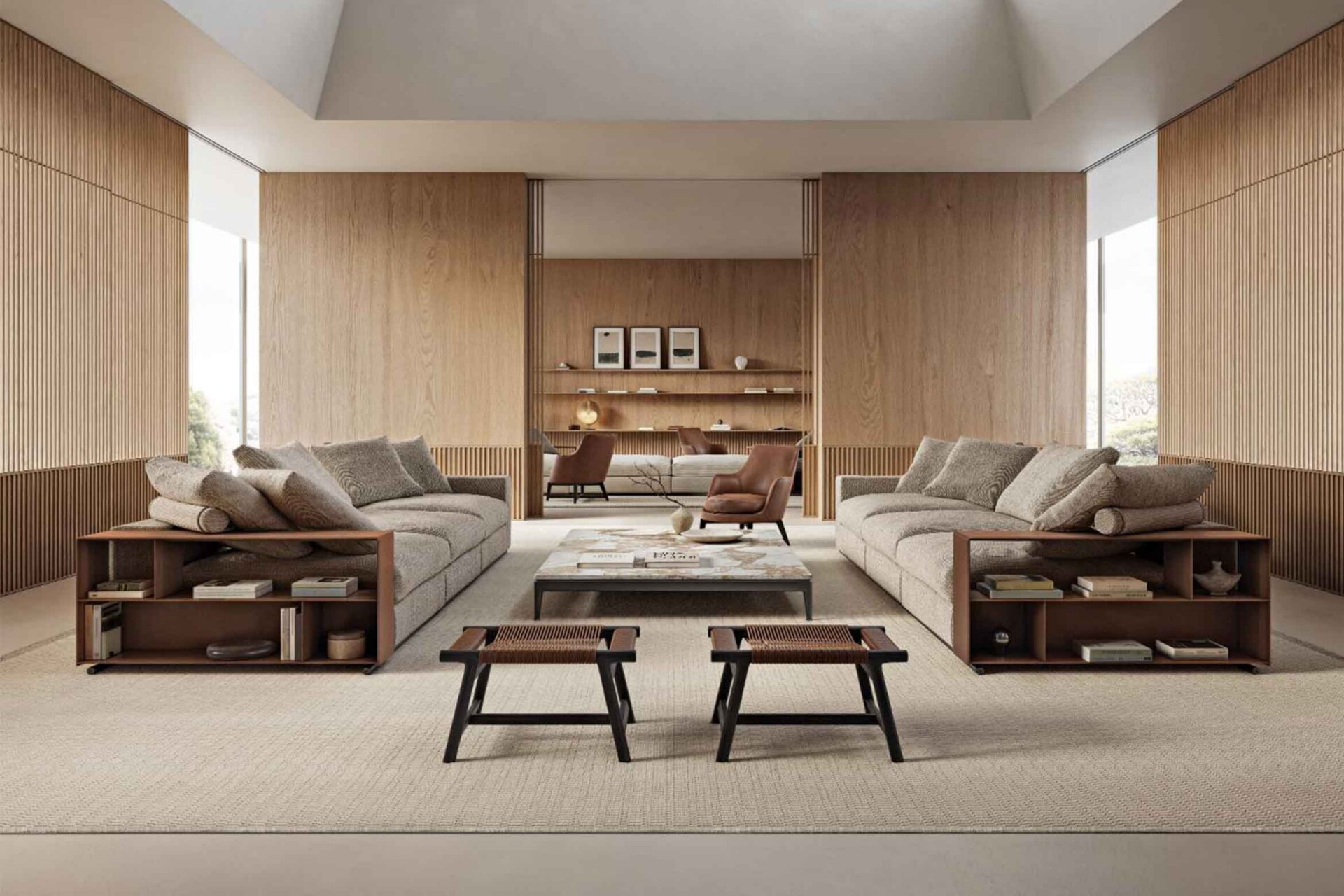
The sofa as landscape: How Groundpiece rewrote the rules
In 2001, Antonio Citterio designed a sofa that threw out the rulebook. A quarter-century later, Groundpiece remains Flexform’s longest-running bestseller – and it still looks like the future.
Articles
Design tricks for using carpets to create balance and depth
Good looks count, but function completes the space.