The home of architecture and design in the Asia-Pacific
Get the latest design news direct to your inbox!

Get the latest design news direct to your inbox!
The Top End has awarded its top projects of the year, with DKJ projects.architecture and Woodhead taking out the highest honours.
June 12th, 2012
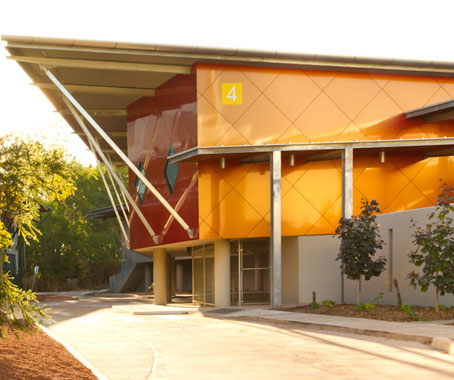
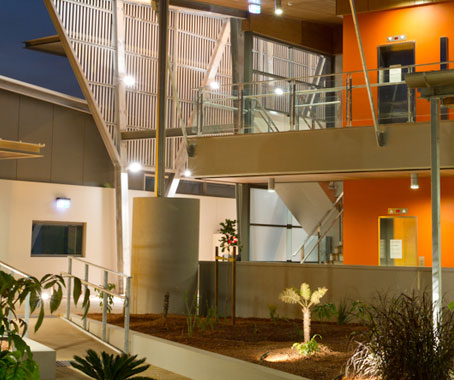
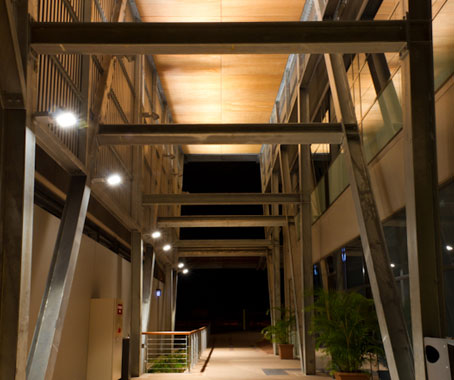
Their NT Medical Program and Allied Health Infrastructure (Pharmacy) Facility, designed by DKJ projects.architecture and Woodhead received the Tracy Memorial Award as well as the Reverend John Flynn Award for Public Architecture and the People’s Choice Award at the AIA’s 2012 Northern Territory Architecture Awards.
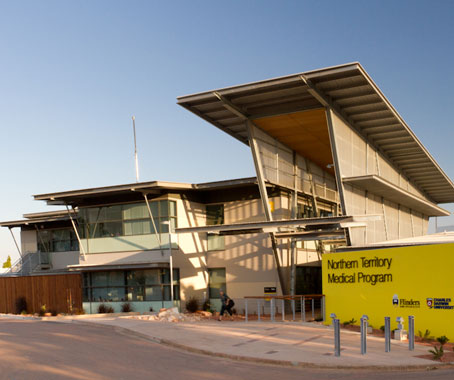
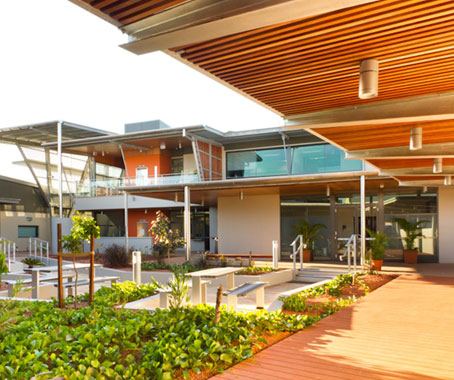
The jury deemed the project an “impressive university initiative”, providing the architects with “a complex and ambitious brief that they have embraced enthusiastically” to create “an appropriately thought provoking building that is both contextually and socially connected to its innovative purpose.”
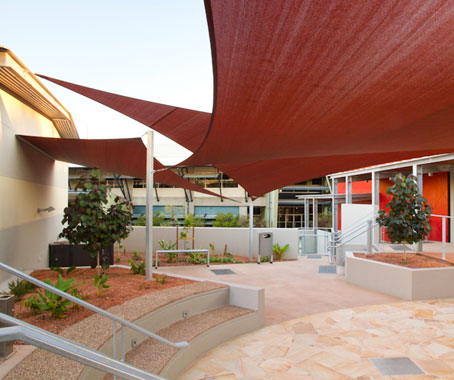
“In response to the innovative program at Charles Darwin University intended to recruit indigenous students, the architects have provided a building that avoids the institutional flavour of many hospitals, clinics and universities with buildings that are lively, generous, open, shaded and comfortable,” stated the jury citation.
Photography: Kate Paneros
“The architects have provided a series of buildings that are lively, generous, open, shaded and comfortable with overhanging roofs, sheltered and well planted landscaped courtyards, interspersed with educational clinical and laboratory spaces.
The Australian Institute of Architects’ Architecture Award for Public Architecture and the Colorbond Award for Steel Architecture went to Stephen Lumb Architect for Alice Springs Steiner School Stage 3.
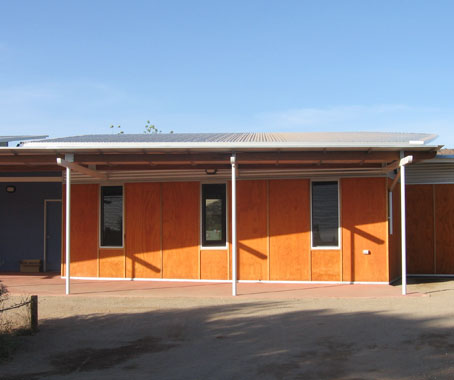
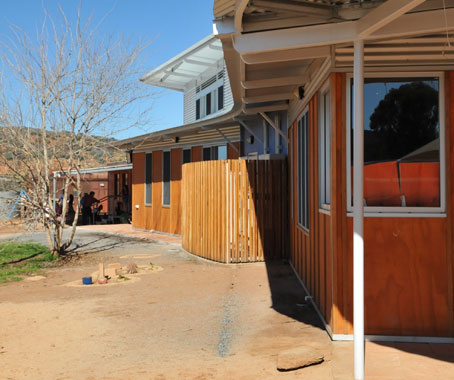
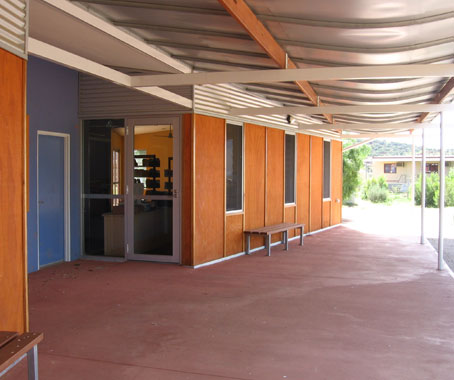
“[The project] carries through the ideologies of site responsiveness and communities of buildings to provide a variety of places and spaces embraced by, and framing the East McDonnell Ranges.”

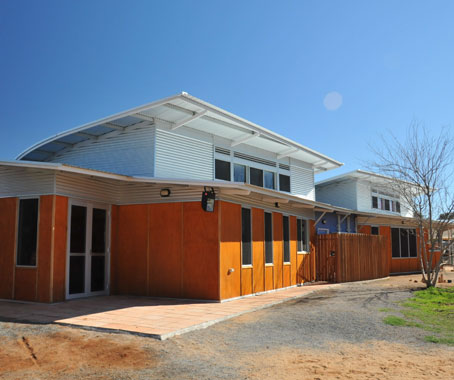
Other big winners on the night were Jimmy Walker, who received the Northern Territory Emerging Architect Prize for his contribution to the architectural profession through “a broad range of local and remote projects in education, housing, health and community sectors, bringing to each a high degree of architectural competence, cultural sensitivity and an enthusiasm to make each project a success on every level.” Walker is also heavily involved in education and the community.
Charles Darwin University student Nicole Chai took out the Student Award in recognition of her excellent academic performance while completing her Bachelor of Design.
Australian Institute of Architects
architecture.com.au
INDESIGN is on instagram
Follow @indesignlive
A searchable and comprehensive guide for specifying leading products and their suppliers
Keep up to date with the latest and greatest from our industry BFF's!
The internet never sleeps! Here's the stuff you might have missed